Frequently asked questions
What Silk does, what it works with, how it compares, and how the license and the price work.
About Silk
What is Silk?
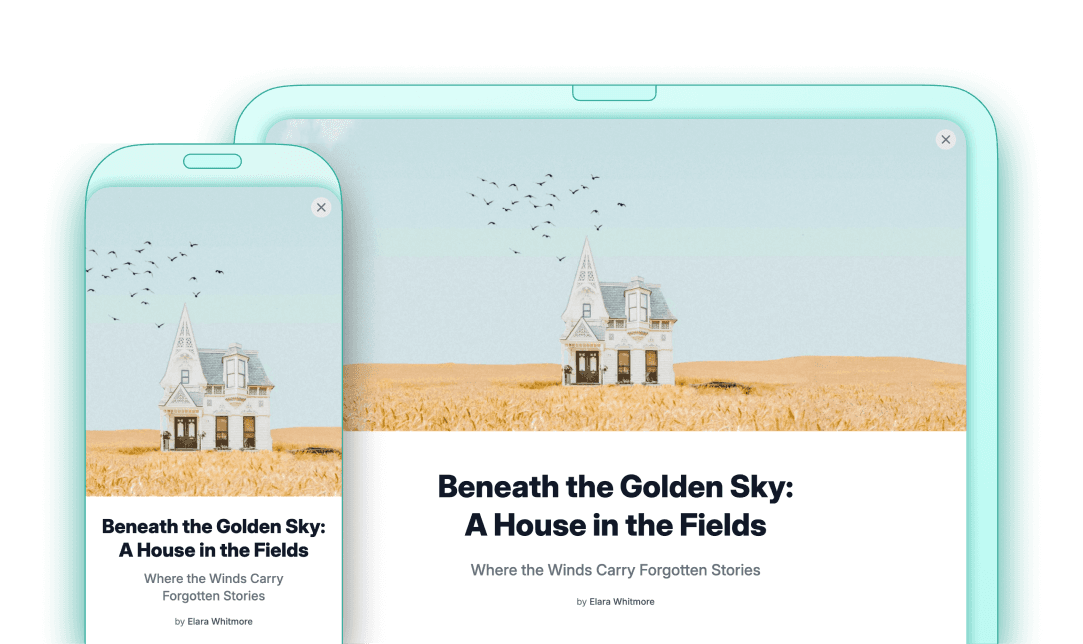
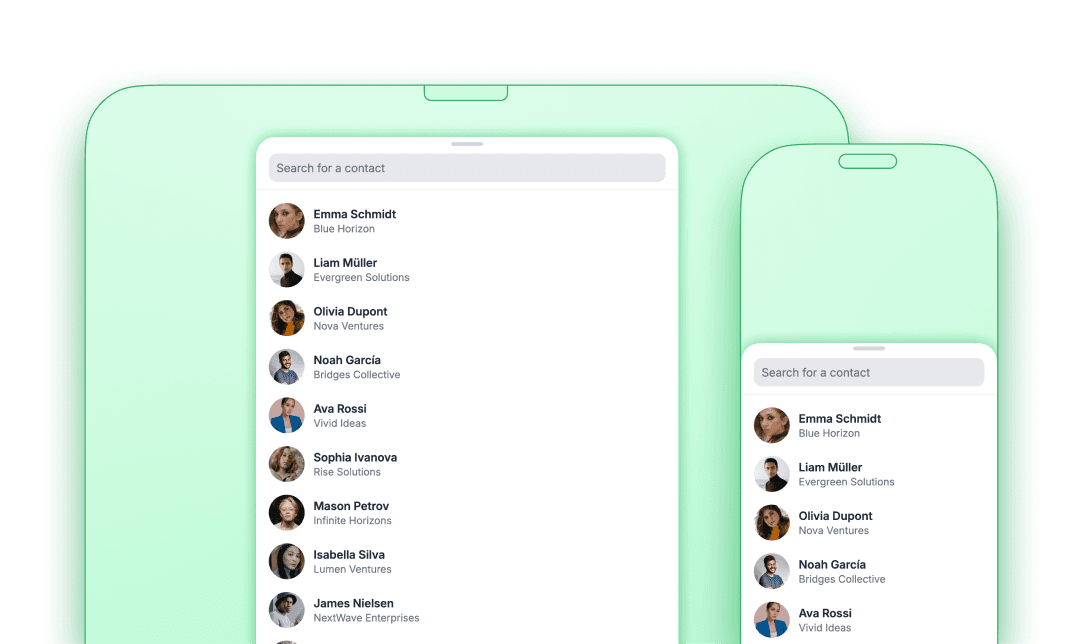
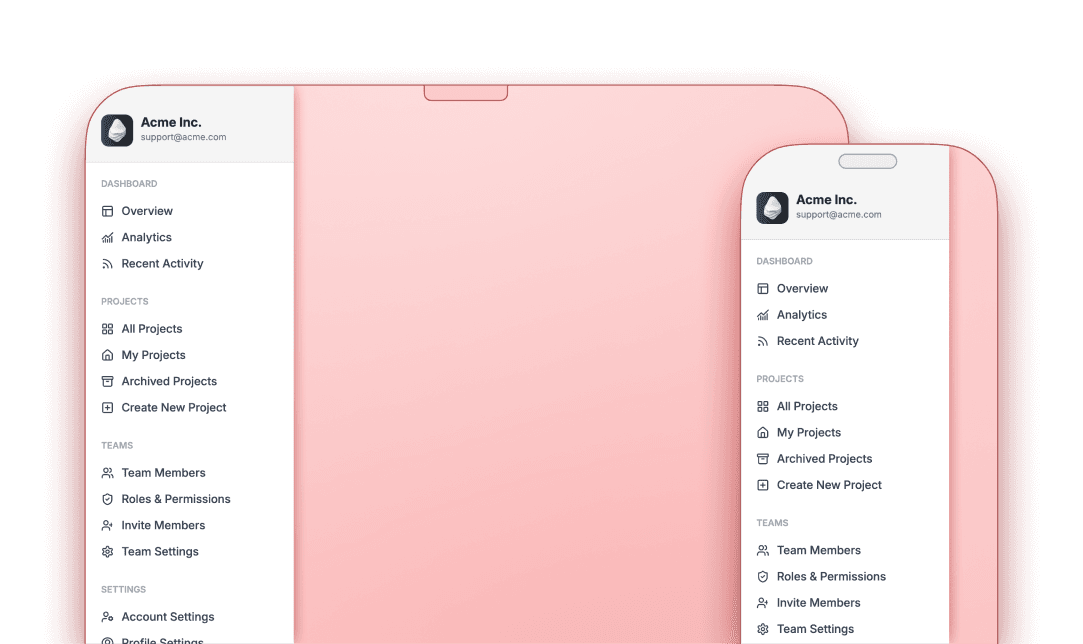
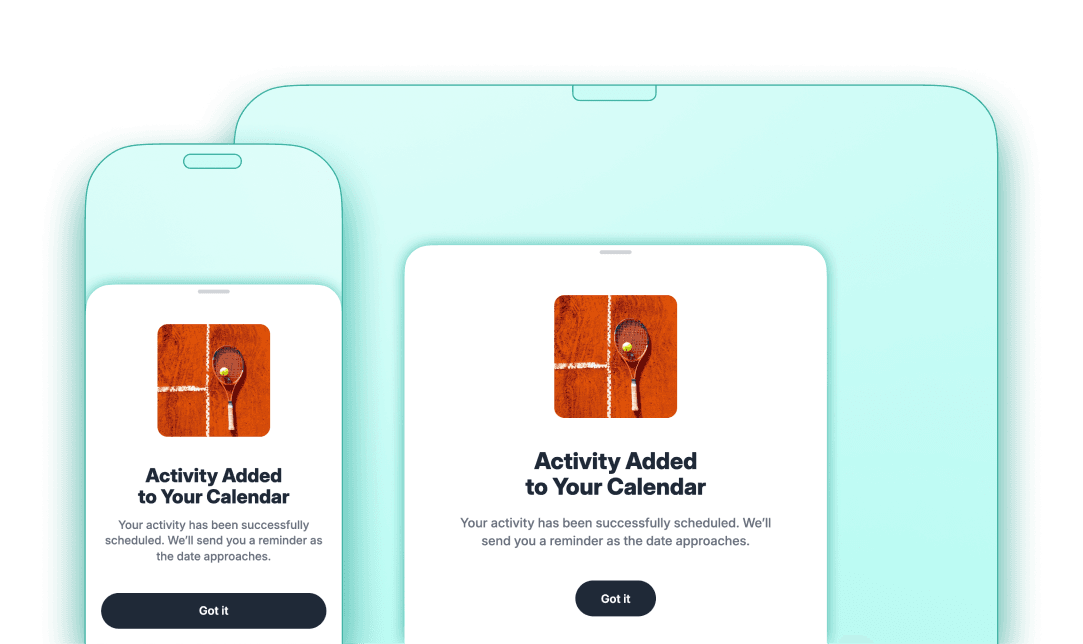
Silk is a React component library for building native-like swipeable sheets on the web: bottom sheets, drawers, sidebars, modal dialogs, toasts, lightboxes and page transitions.
All of them are built from one unstyled component, Sheet, installed from npm as @silk-hq/components.
What can I build with Silk?
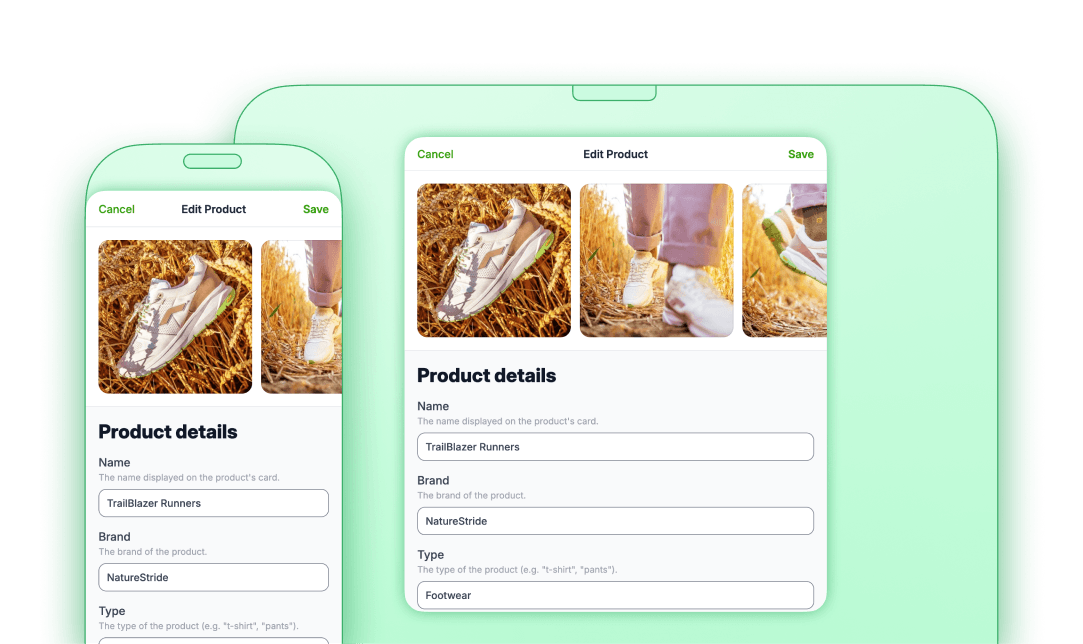
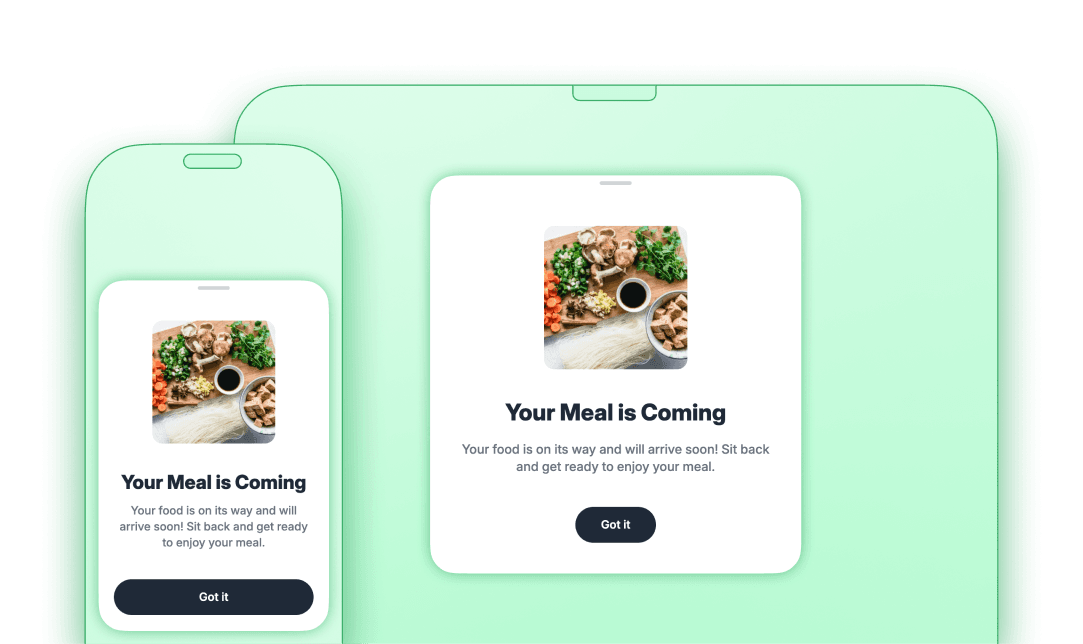
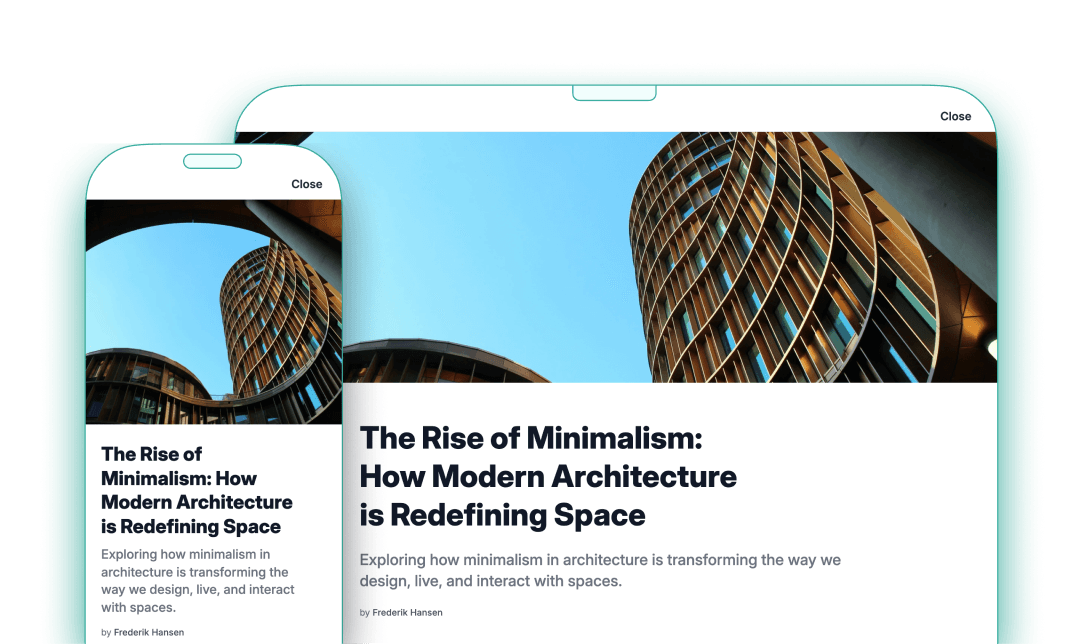
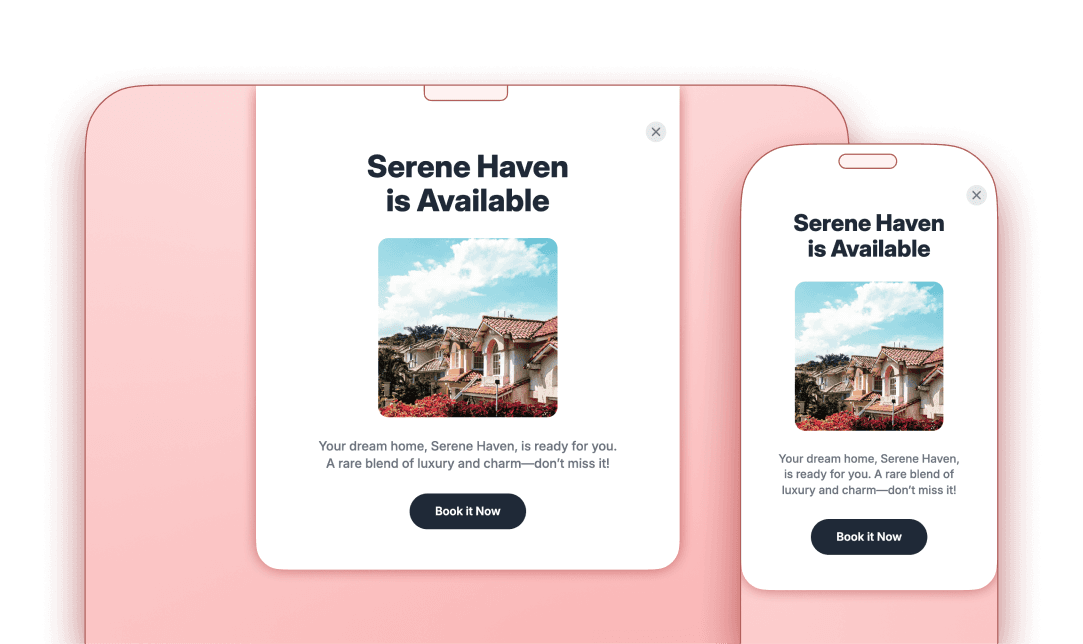
Any overlay that slides in and can be swiped: a bottom sheet with snap points, a sidebar, a top sheet, a detached sheet or card, stacked sheets, a form sheet that works with the on-screen keyboard, a toast, a full-screen page with swipe-back, an image lightbox.
The examples show 16 of them.
Who uses Silk?
Silk is used in production by OpenAI, Lovable, Mysten Labs, Owner.com, Tjek, BookRetreats and Ednia, and on more than 10,000 websites. The npm package is downloaded more than 300,000 times a month.
How is Silk different from Vaul, Base UI Drawer or react-modal-sheet?
Silk's swipe gestures are built on CSS Scroll Snap, the browser's own scrolling, so they have the device's real momentum, work with touch, trackpads and mouse wheels, and run off the main thread at up to 120 fps. Its spring animations run off the main thread rather than computed frame by frame in JavaScript.
Silk also handles what drawer libraries tend to leave to you: scrollable content inside the sheet, the on-screen keyboard, stacking, non-modal sheets and placement on any edge. Unlike those libraries, Silk is not open source.
Is Silk a replacement for Vaul?
Yes, Silk covers what Vaul does, and it is actively maintained. It isn't a drop-in replacement: the API is different, so the drawer component is rewritten rather than re-imported.
Features
Does Silk support snap points?
Yes. In Silk they are called detents. Pass one or more CSS lengths to the detents prop of Sheet.View, and the sheet rests at each of them between closed and fully expanded.
Can I scroll content inside a sheet?
Yes. Wrap the content in Silk's Scroll component. The content scrolls while it can; once it is at its edge, swiping moves the sheet. See Scroll.
Does Silk handle the on-screen keyboard on iOS and Android?
Yes. With the Scroll component, the focused input is scrolled into view above the keyboard, the whole form stays reachable, and the page doesn't jump when an input is focused.
Can a sheet be non-modal?
Yes. Set inertOutside={false} on Sheet.View and the page behind stays interactive, which suits toasts, persistent sheets over a map, or a sidebar next to content.
Modality is granular: focus trapping, outside clicks, Escape and page scroll locking are configured separately.
Can sheets be nested or stacked?
Yes. Put the sheets in a SheetStack and animate the ones underneath as new sheets are stacked on top. See SheetStack.
Does it work on desktop?
Yes. Sheets can be swiped with a trackpad or a mouse wheel, dismissed with Escape or a click outside, and placed differently on large screens: a bottom sheet on a phone can be a centered dialog on a desktop with one prop.
Is Silk accessible?
Yes. Sheets take a WAI-ARIA role, are labelled by their title and description, move focus in when they open and back to the previously focused element when they close, keep focus inside while modal, close on Escape, and skip animations for people who prefer reduced motion.
Can I customize the animations?
Yes. Entering, exiting and stepping animations use spring presets ("gentle", "smooth", "snappy", "brisk", "bouncy", "elastic") or your own spring or easing. Any element can also be animated from the sheet's progress with the travelAnimation prop.
Compatibility
What frameworks can I use Silk with?
Silk is compatible with React 17, 18 and 19, in any setup: Next.js, Vite, and others. Support for other frameworks, such as Vue, Preact, Svelte and Solid, as well as vanilla JavaScript, will come later.
Does Silk work with Next.js?
Yes. In the App Router, files that render Silk components need "use client", like any interactive component.
Does Silk work with Tailwind CSS?
Yes. Silk is unstyled: pass className to any sub-component. With Tailwind v4, import Silk's styles in a CSS layer as described in Usage with Tailwind v4.
Does Silk work with shadcn/ui, Radix or Base UI?
Yes. Silk has no dependencies and doesn't conflict with other component libraries. Menus, popovers and selects from those libraries work inside a Silk sheet; see Third-party overlays.
What browsers are supported?
Silk supports all major modern browsers, including versions released within the past four years of Chrome, Safari, Firefox and Edge, on desktop, iOS and Android.
Does Silk have dependencies? How big is it?
Silk has no dependencies other than React. The whole library is about 39 kB gzipped, plus 4 kB of CSS.
Does Silk support TypeScript?
Yes. Silk is written in TypeScript and exports the types of all its components and props.
Does Silk work with AI coding tools?
Yes. The documentation is available as Markdown for assistants and coding agents: an index at /docs/llms.txt, every page at its URL plus .md, and everything in one file at /docs-full.md. See Usage with AI tools.
Price and payment
Is Silk free?
Silk is free for non-commercial use: personal projects, education, non-profits, and any project that doesn't generate revenue. Commercial use requires a commercial license.
How much does the commercial license cost?
It starts at €299, plus local taxes, paid once. The price depends on your organization's total number of employees: €299 for 1 to 5, €799 for 6 to 25, €1,599 for 26 to 200, and €3,199 for 201 or more.
You pay once, at the price for your size when you buy: nothing more is owed if your organization grows later. It covers unlimited projects within your organization and includes free updates. See pricing, or buy a license.
What does one-time payment mean exactly?
The one-time payment for the commercial plan means you only pay once for the license, and you can use it indefinitely without recurring charges.
What does free updates mean?
Free updates mean that whenever we release a new version to fix issues, add features, or make general improvements, you'll get access at no additional cost. Some major additions, such as entirely new components, may not be included in free updates and could require a separate purchase.
Can I test Silk before purchasing the commercial license?
Yes, you can freely test Silk in a non-production environment to evaluate if it suits your needs before purchasing the commercial license. Once you're ready to use Silk in production, you can purchase the commercial license.
What is your refund policy?
We offer a 14-day money-back guarantee. If you are not satisfied with your purchase, email contact@silkhq.com within that period and we will issue a full refund.
License
What kind of projects can I work on with the non-commercial license?
The non-commercial license may be used for personal projects, websites or web apps for non-profits and NGOs, educational purposes, or any project that does not generate revenue or serve commercial purposes.
What kind of commercial projects can I work on with the commercial license?
With a commercial license, you can work on any project that generates revenue, including SaaS applications, hybrid applications, or e-commerce websites.
Do I need to purchase a license for each project I work on?
No, a single license allows you to work on an unlimited number of projects, provided they are all owned and managed by your organization.
Can I use my own license for client projects?
No. The organization that commercially exploits projects using Silk must own the license, so your clients need their own.
You can purchase the license on their behalf and bill them. Once you have the license, email contact@silkhq.com with the name of the organization and the license key, then give the key to your client so they can verify ownership in the future.
Can I use Silk in open-source projects?
You can use Silk in open-source end-products, that is, products used directly by end-users. If these projects generate revenue, you need a commercial license. You cannot use Silk in open-source projects that other developers may integrate into their own products.
Can I sell templates or components using Silk as a dependency?
No, selling templates or components using Silk as a dependency is not permitted.
Is Silk open source?
No, Silk is a proprietary library. The source code is not publicly available, but the minified code is available on npm for inspection, so you can review it against your security and compliance requirements.
Support
Do you offer technical support?
We provide support for license management and account-related issues. We do not offer custom support or assistance with specific implementation issues. You can report bugs and ask questions on GitHub.
Still have questions?
Contact us at contact@silkhq.com.